Welcome to the Mercosur Countries
One of the most fascinating regions on our planet — from the Amazon to Patagonia
One of the most fascinating regions on our planet — from the Amazon to Patagonia
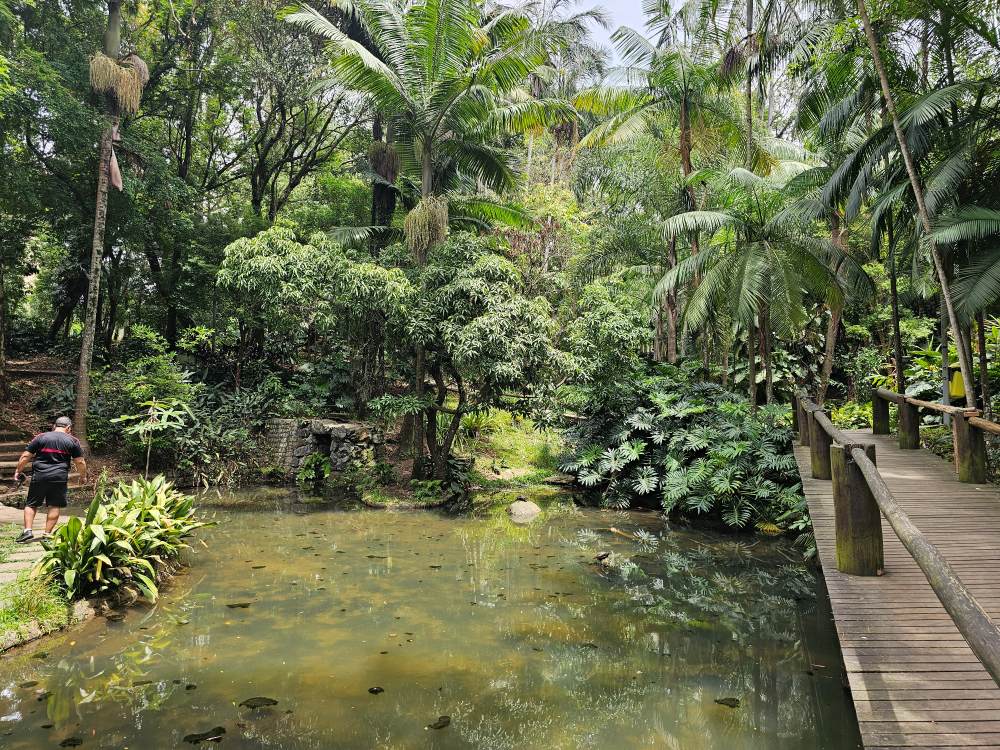
These are some of the most fascinating regions on our planet. You will hardly find such a diversity of nature anywhere else in the world. Natural landscapes stretch from tropical evergreen forests to tundra, from the great Amazon River to the Atacama Desert, where it does not rain for a hundred years. And, of course, the coastline, stretching for thousands of kilometres, with an incredible variety of beaches and seaside resorts.
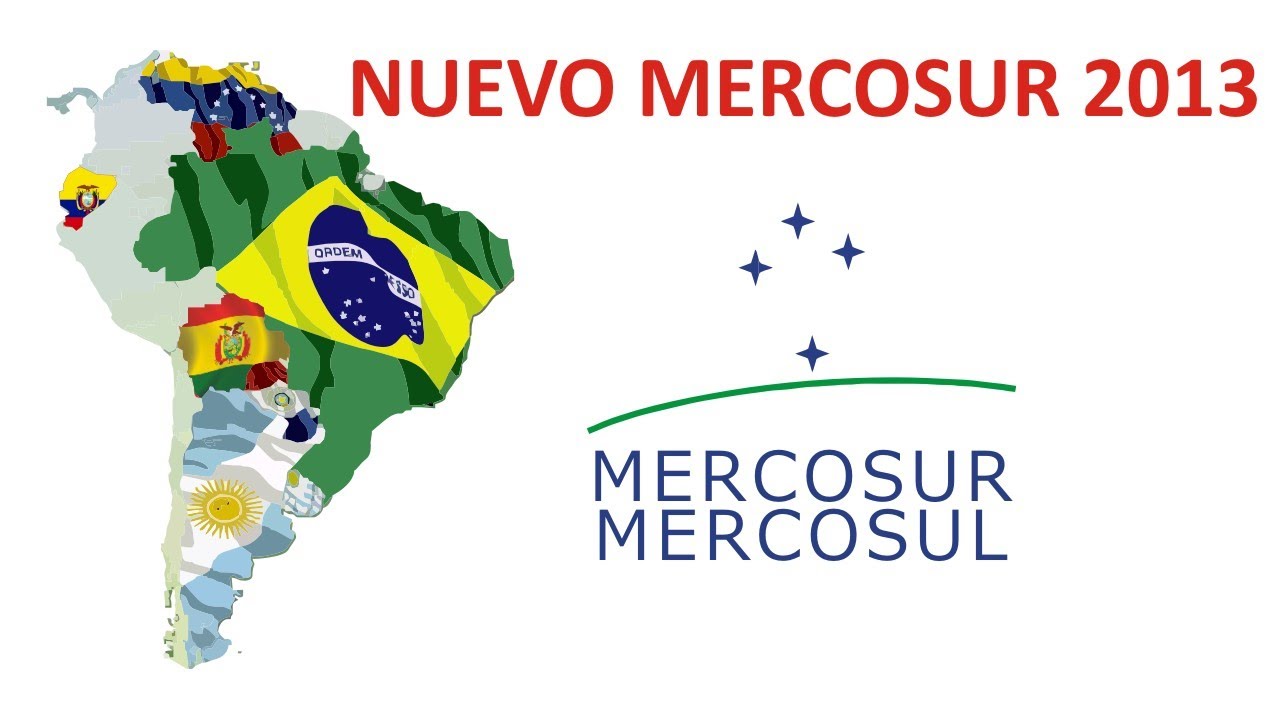
It should be noted that Mercosur (Mercado Común del Sur) is the largest economic bloc in South America, founded in 1991 by the Treaty of Asunción. It is a customs union that brings together almost 300 million people and covers a territory larger than Europe. Initially it included Argentina, Brazil, Paraguay and Uruguay; Bolivia joined later. The bloc's goal is the free movement of goods, services and people, as well as coordination of economic policy. One can draw some analogy with the European Union to make it clearer.
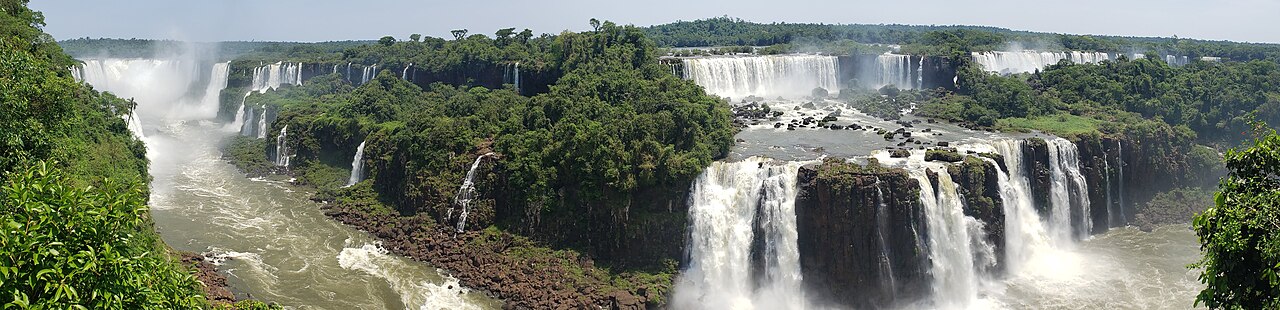
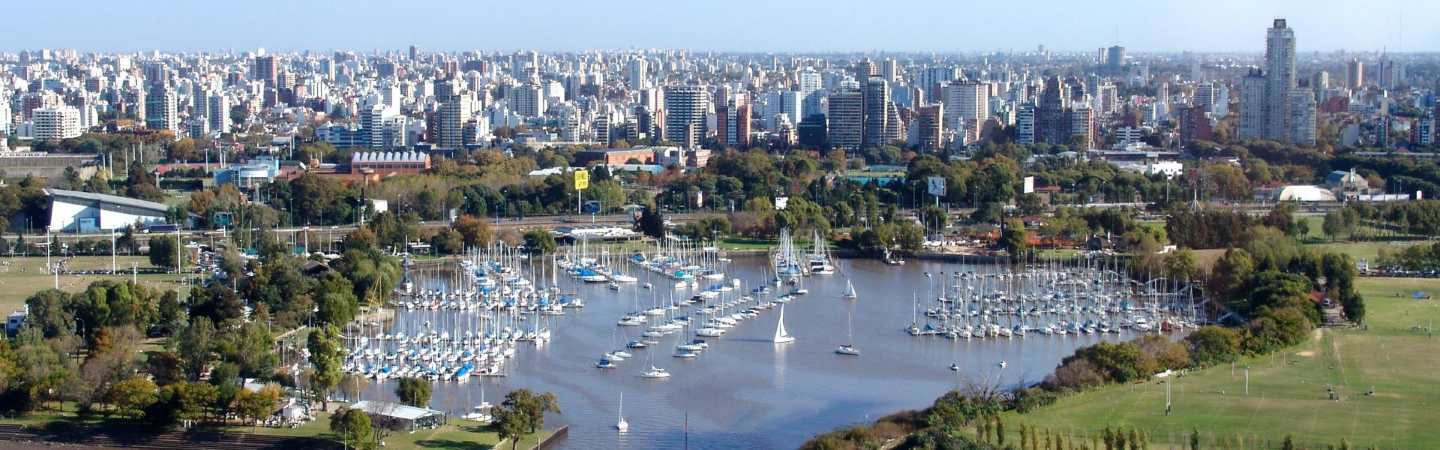
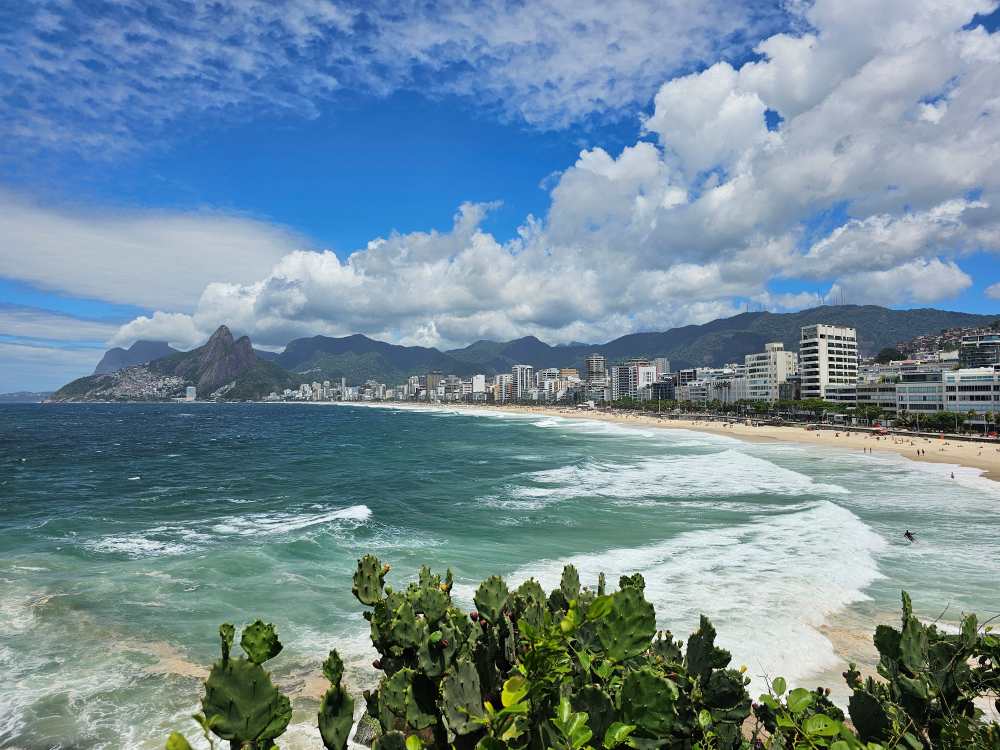
Tourist routes in the region are diverse: from natural wonders (Iguazu Falls, Patagonia, the Galápagos Islands) to cultural centres (Buenos Aires, Rio de Janeiro, Lima). However, keep in mind that some regions (for example, the Apurímac River basin in Peru or border areas of Colombia) still carry risks related to drug trafficking and armed groups. Major tourist centres are usually safe if standard precautions are taken.
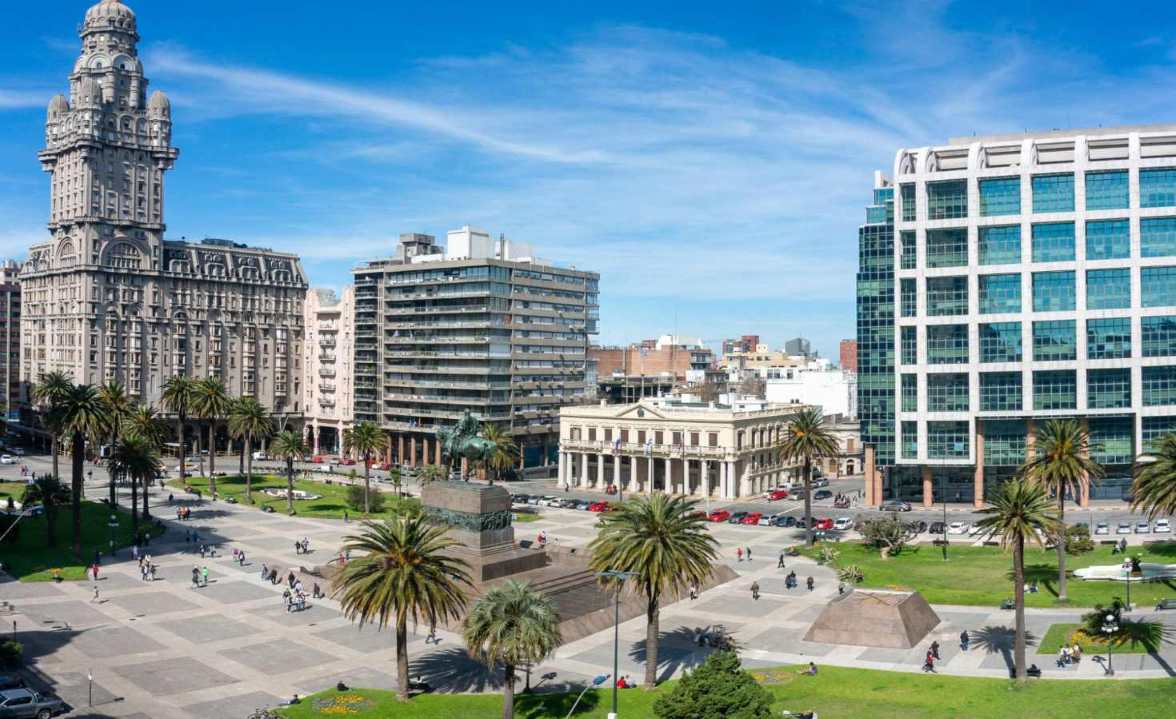
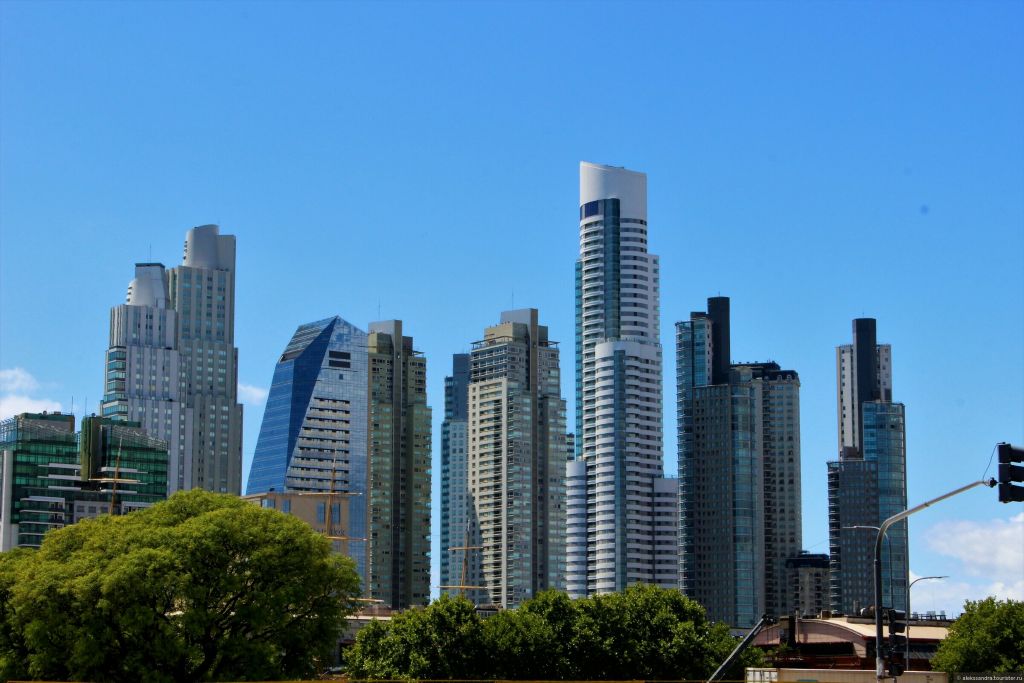
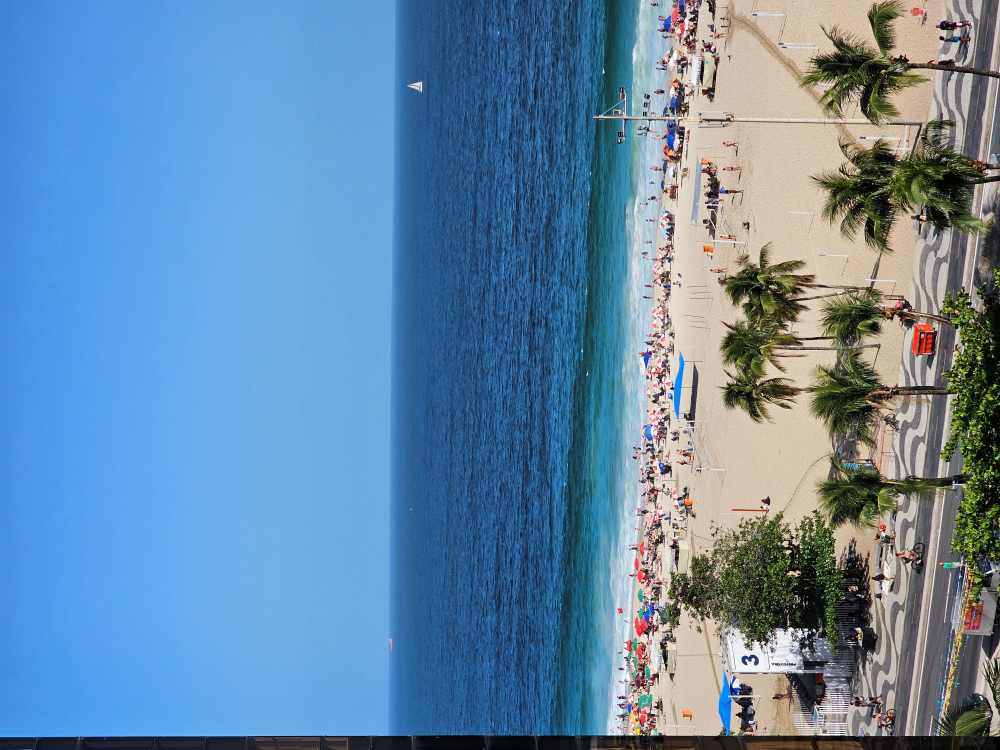
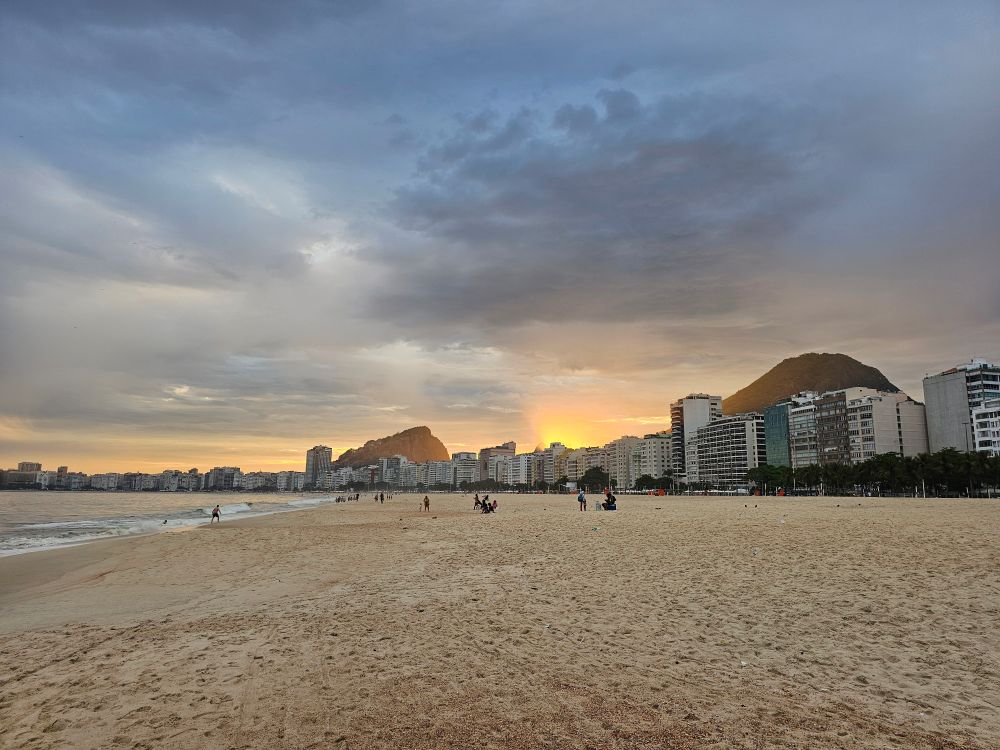
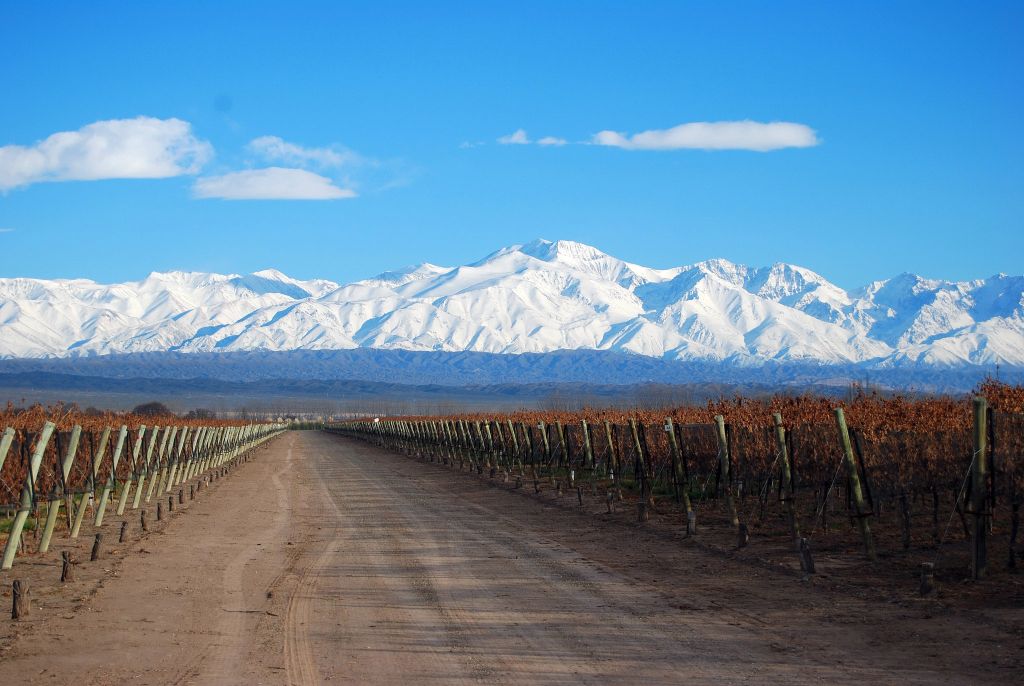
South America is the wettest continent on Earth, and the climate here is extremely diverse: from equatorial jungles to the glaciers of Patagonia.
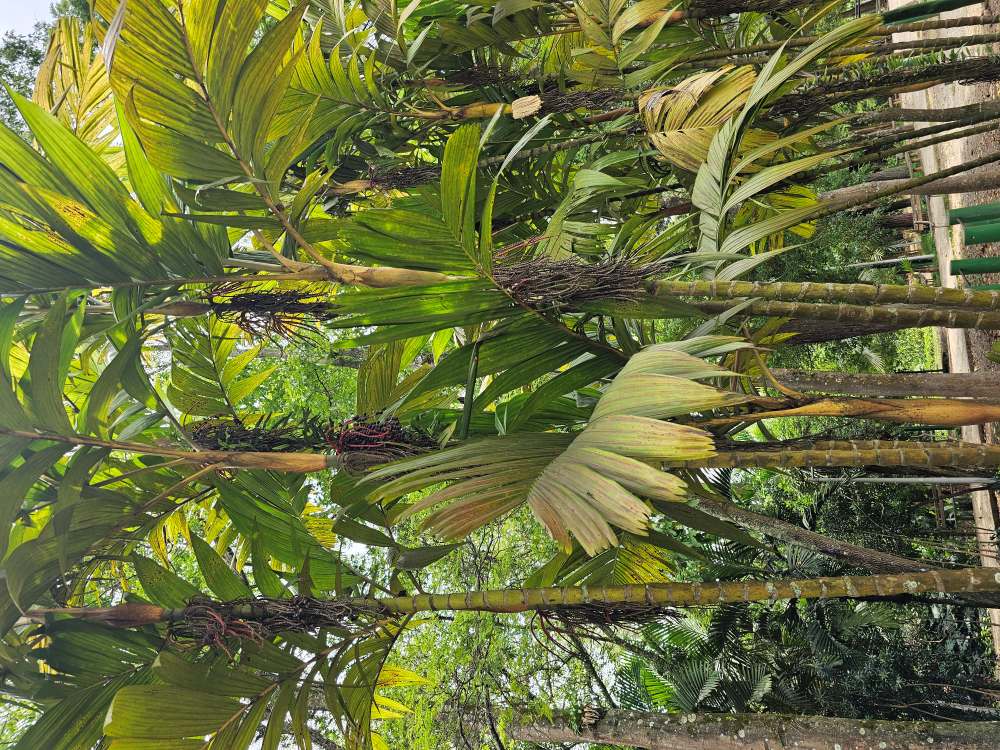
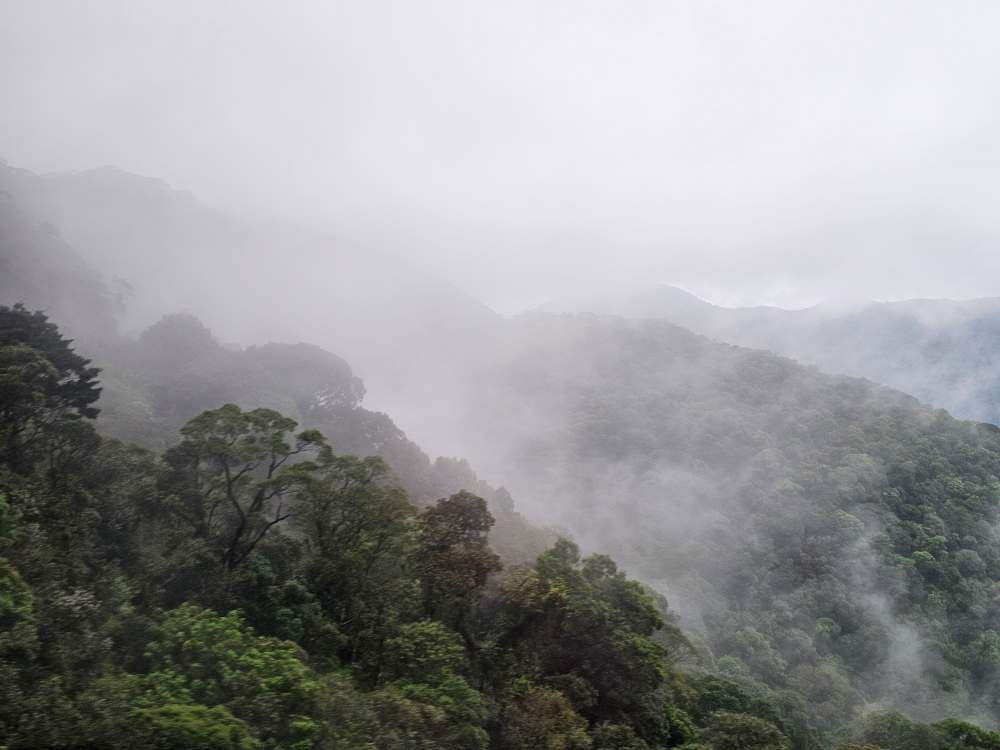
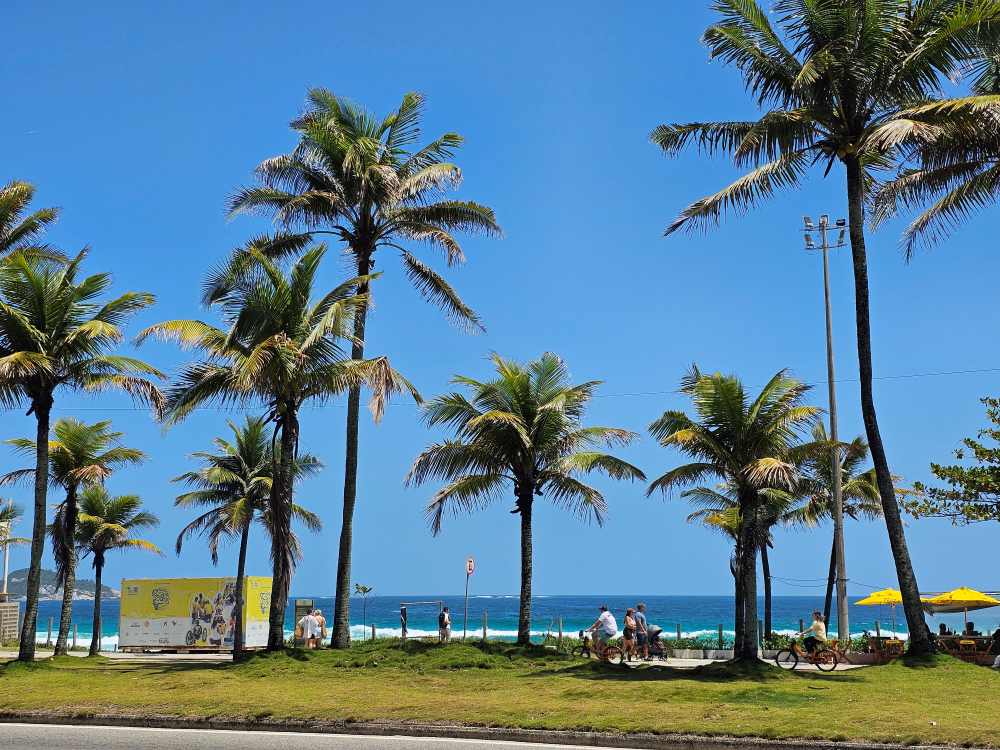
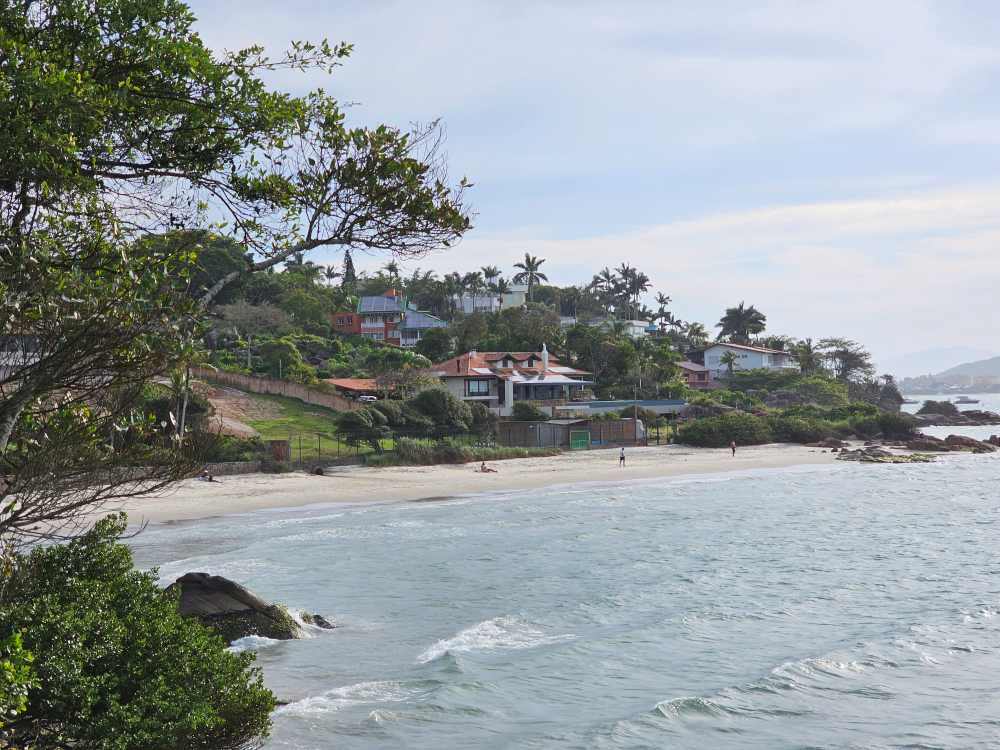
Deforestation of the Amazon, mining and climate change threaten biodiversity. Tourists should choose eco-friendly tours and respect local reserves.
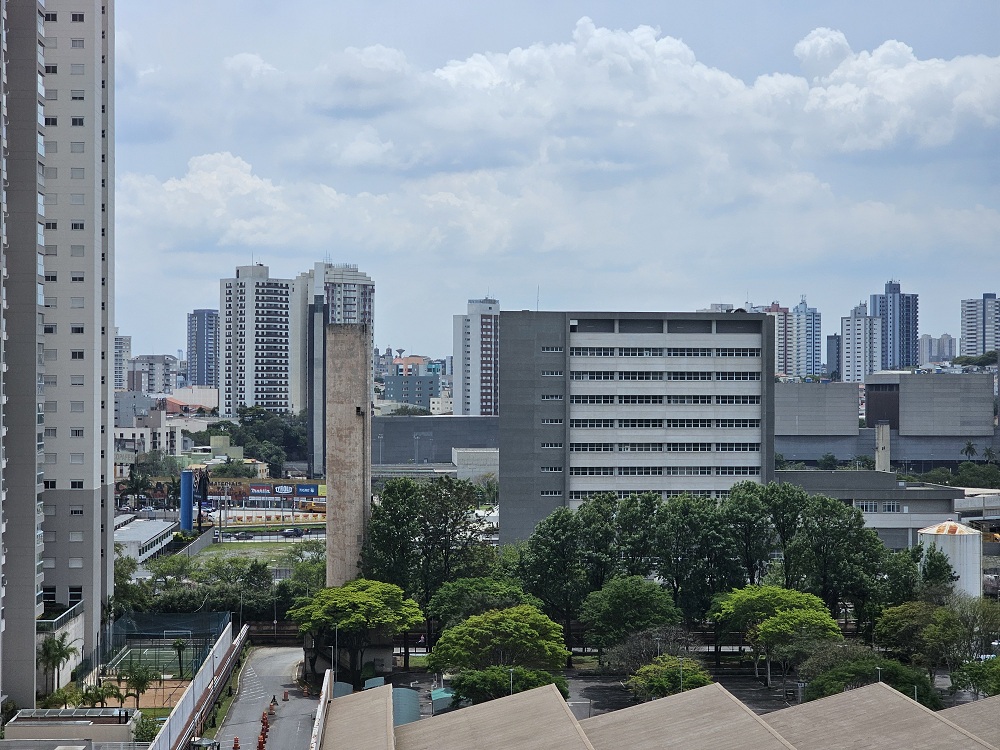
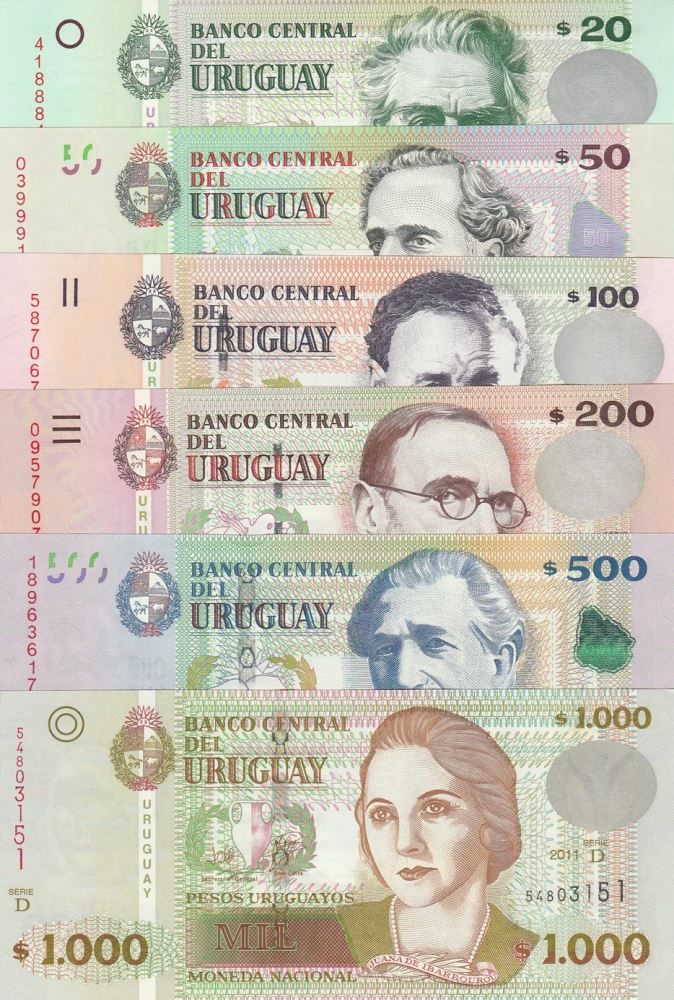
The bloc's economy is based on raw material exports: soy, coffee, meat, iron ore. Within Mercosur, about 60% of trade falls on member countries. Each country has its own currency (Brazilian real, Argentine peso, etc.); there is no single currency. When travelling it is better to have cash, as ATMs may be a problem in remote areas. Besides, keep in mind that the exchange rate can differ greatly between exchange offices. In cities, cards of all international payment systems are accepted.
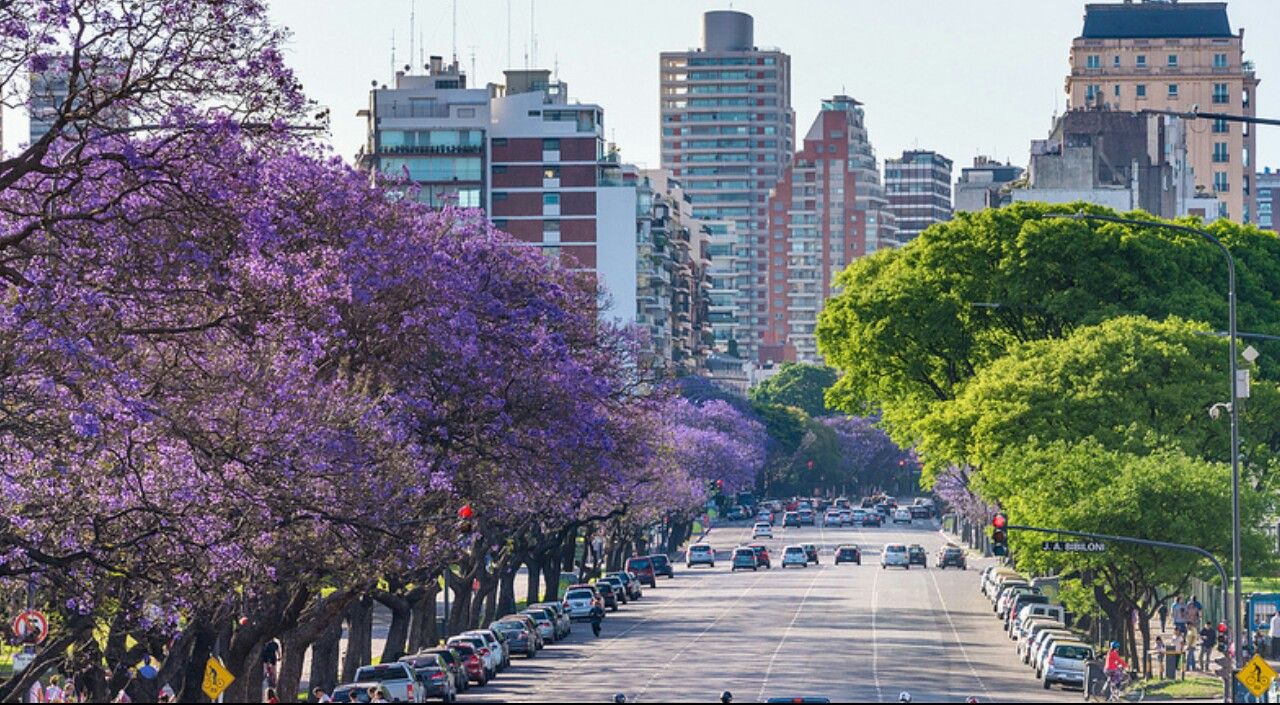
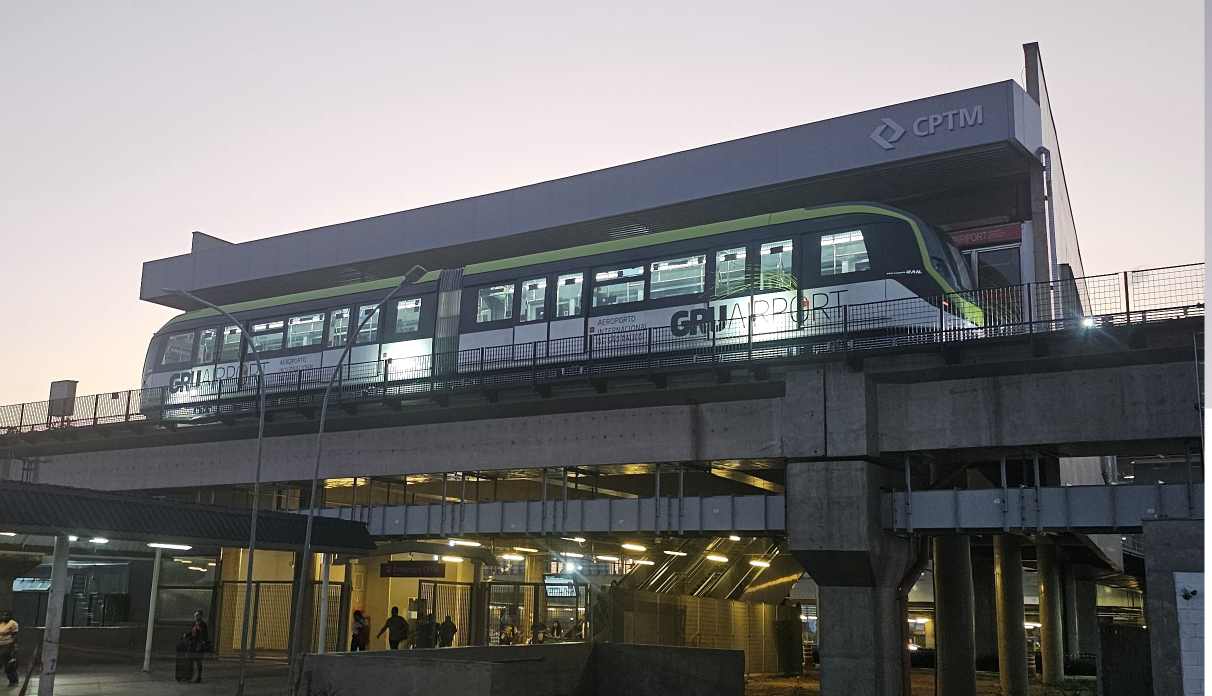
Within the bloc, road and rail transport is simplified. In large cities Uber and taxis are available, but for safety reasons it is recommended to avoid unfamiliar districts and use official services. In remote regions infrastructure may be limited, so it is important to plan routes in advance.
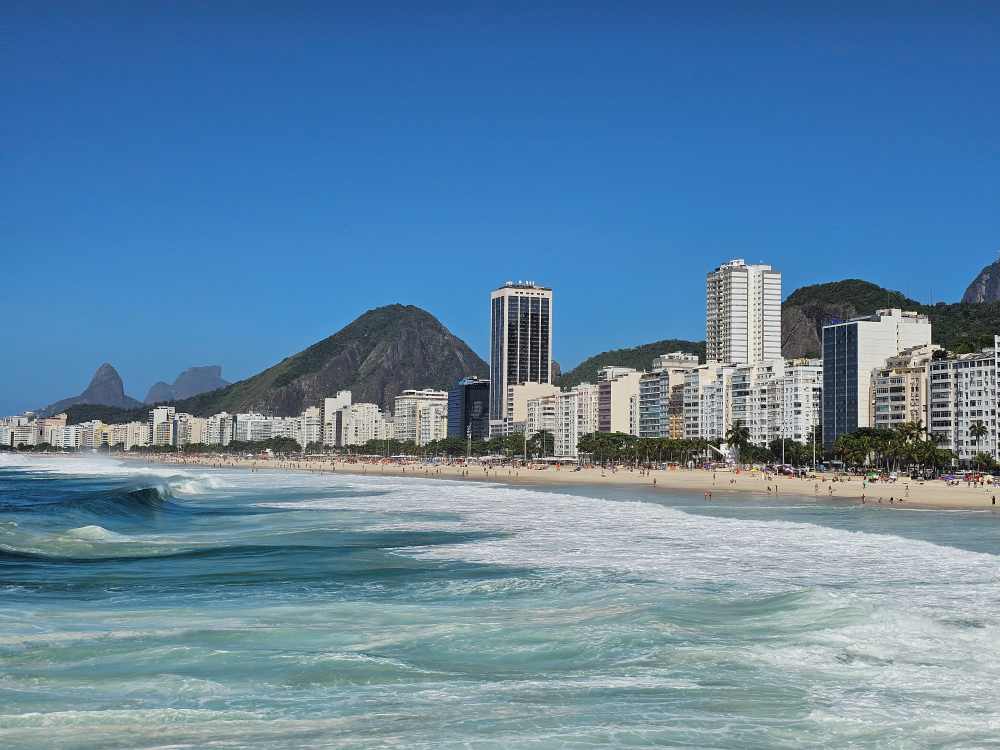
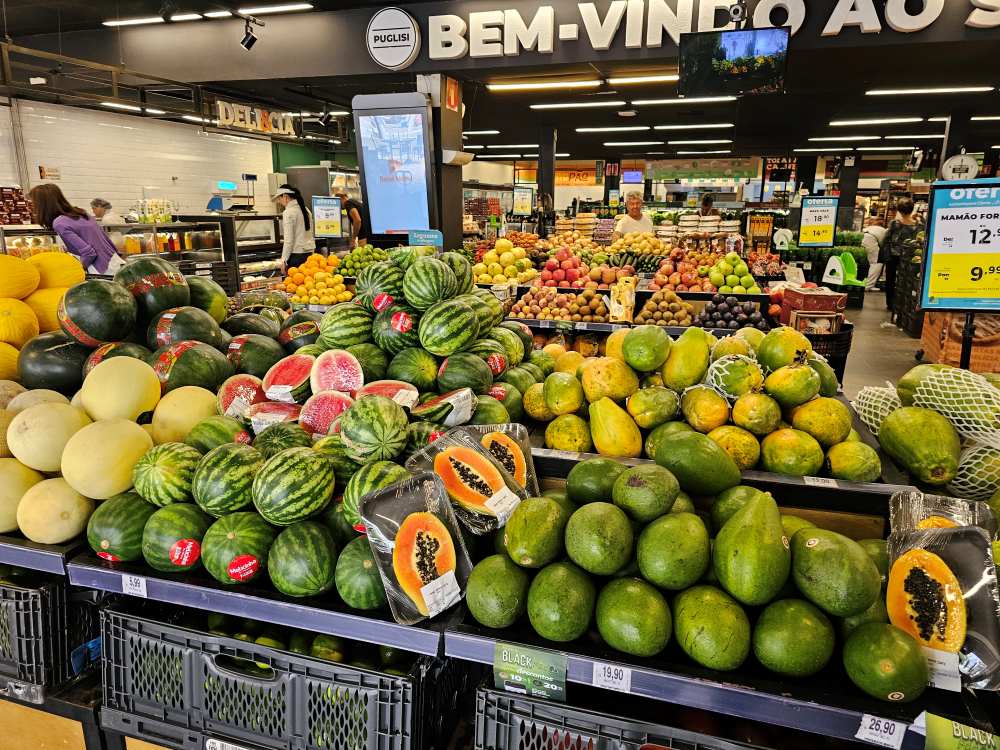
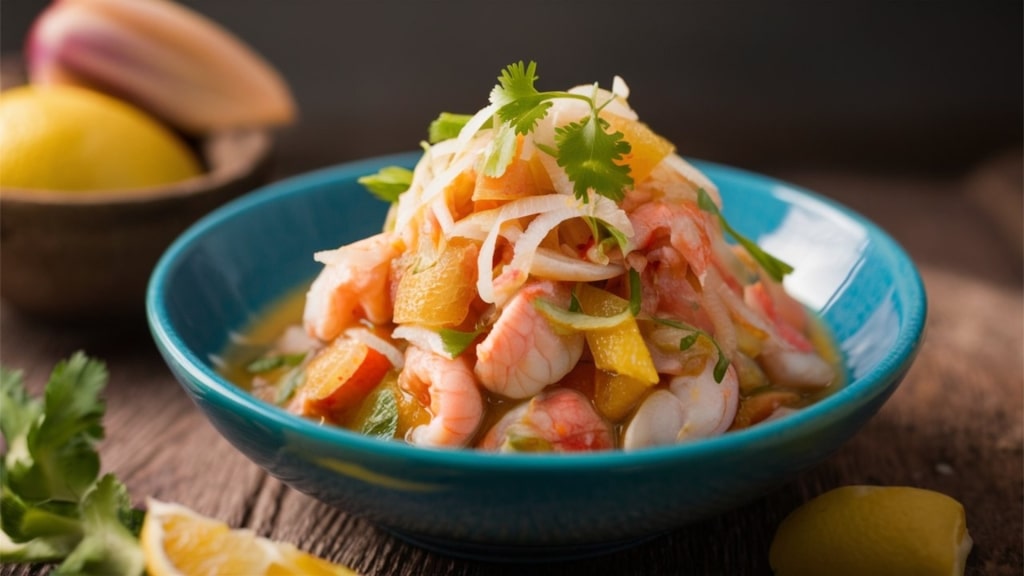
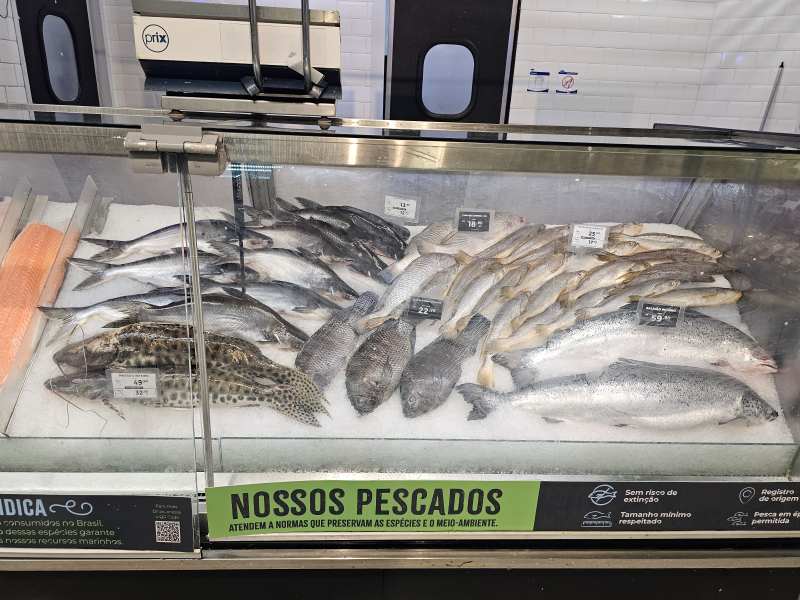
South American gastronomy is a mix of indigenous traditions and European influence. In Argentina and Uruguay grilled meat (asado) is popular, in Brazil — feijoada, in Peru — ceviche. Coastal areas offer many seafood dishes. Due to the high level of street food, it is worth choosing trusted places to avoid digestive problems.
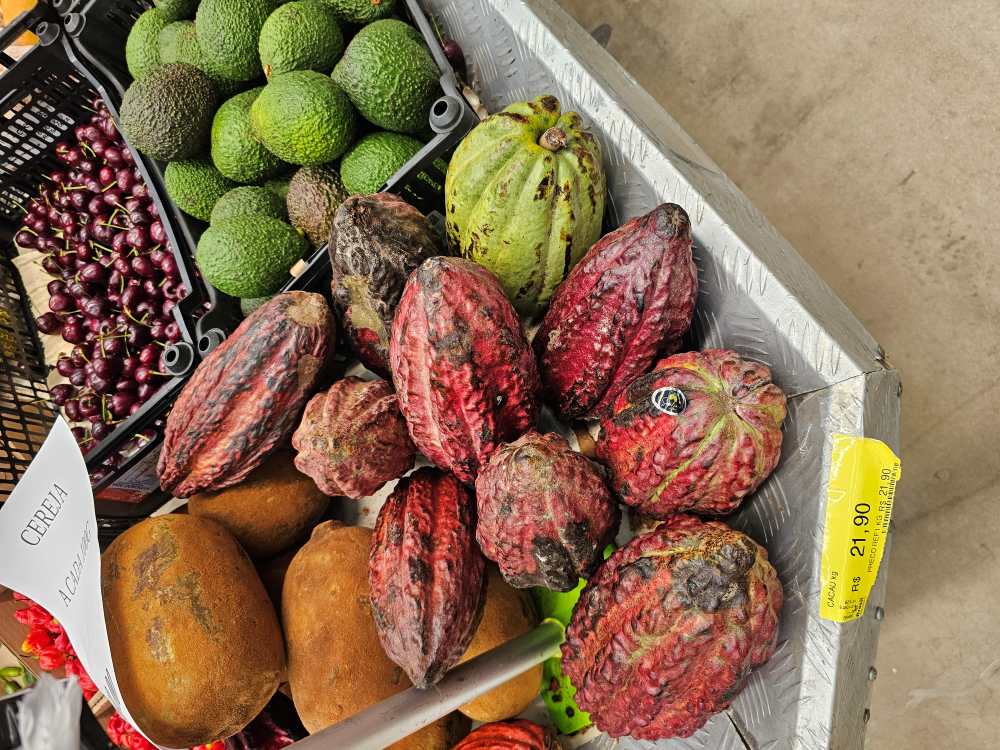
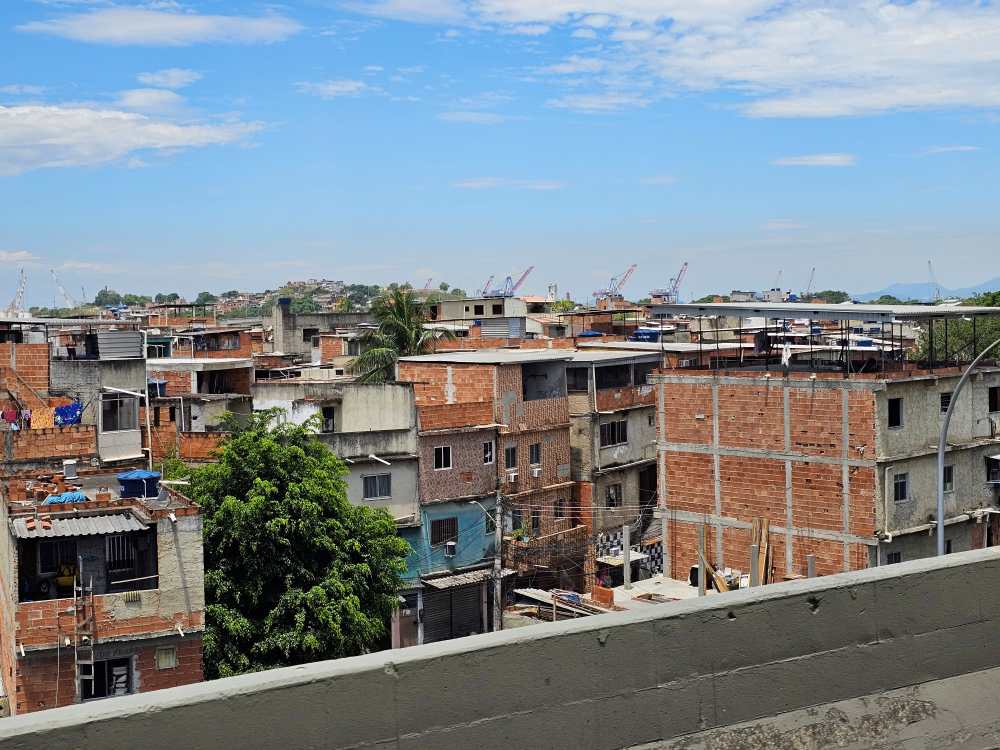
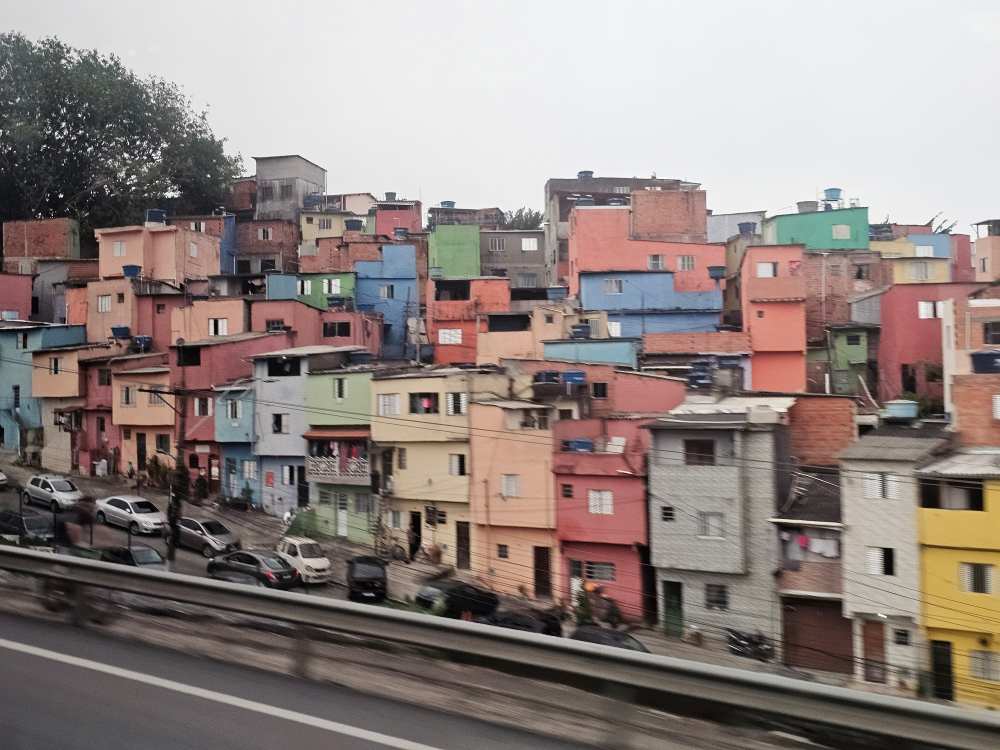
This is the most important point. According to government agencies, in Brazil, Colombia, Ecuador and Peru there remain risks of street crime (robberies, theft), and in some border areas — the risk of kidnapping. It is recommended to avoid displaying valuables, not to visit favelas and remote areas, and to follow official announcements. In Venezuela the situation is assessed as the most dangerous; travel there is not recommended. It is very important that the crime rate varies greatly between districts of the same city. Avoid slum areas and non-recommended districts.